
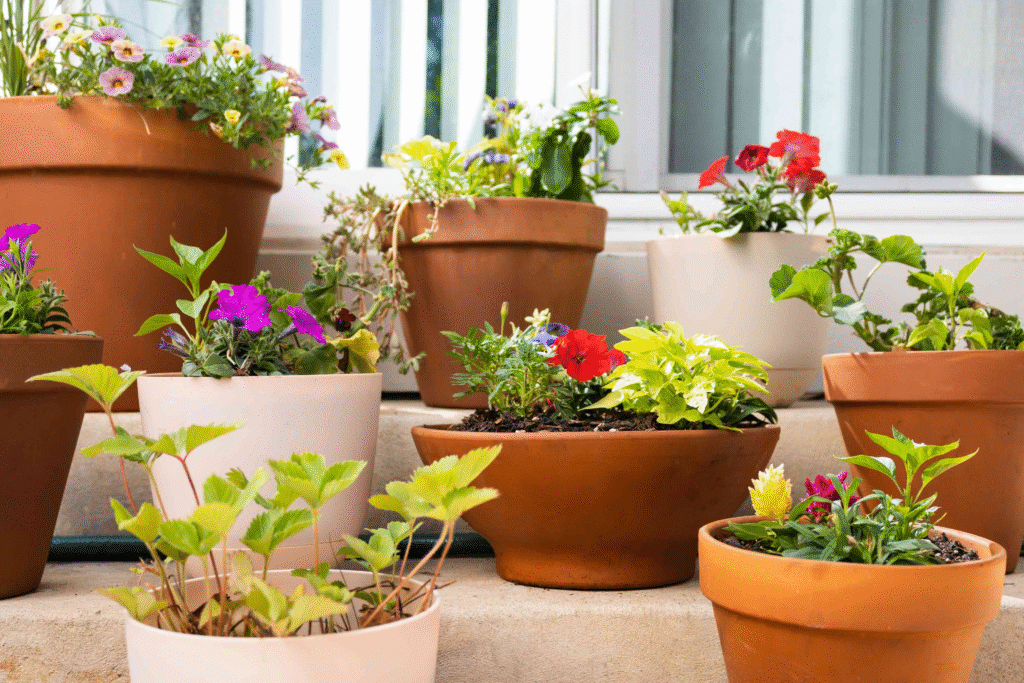
Container gardening is an ideal way to enjoy gardening without a large yard or garden space. Whether you have a balcony, terrace, small backyard, or even just a sunny windowsill, container gardening allows you to grow flowers, herbs, vegetables, and ornamental plants in a manageable and creative way. Beginners will find it fun, low-risk, and highly rewarding. Here’s an in-depth guide to get you started.
1. Choosing the Right Containers
The type of container can affect plant health, aesthetics, and practicality. Beginners can experiment with different options:
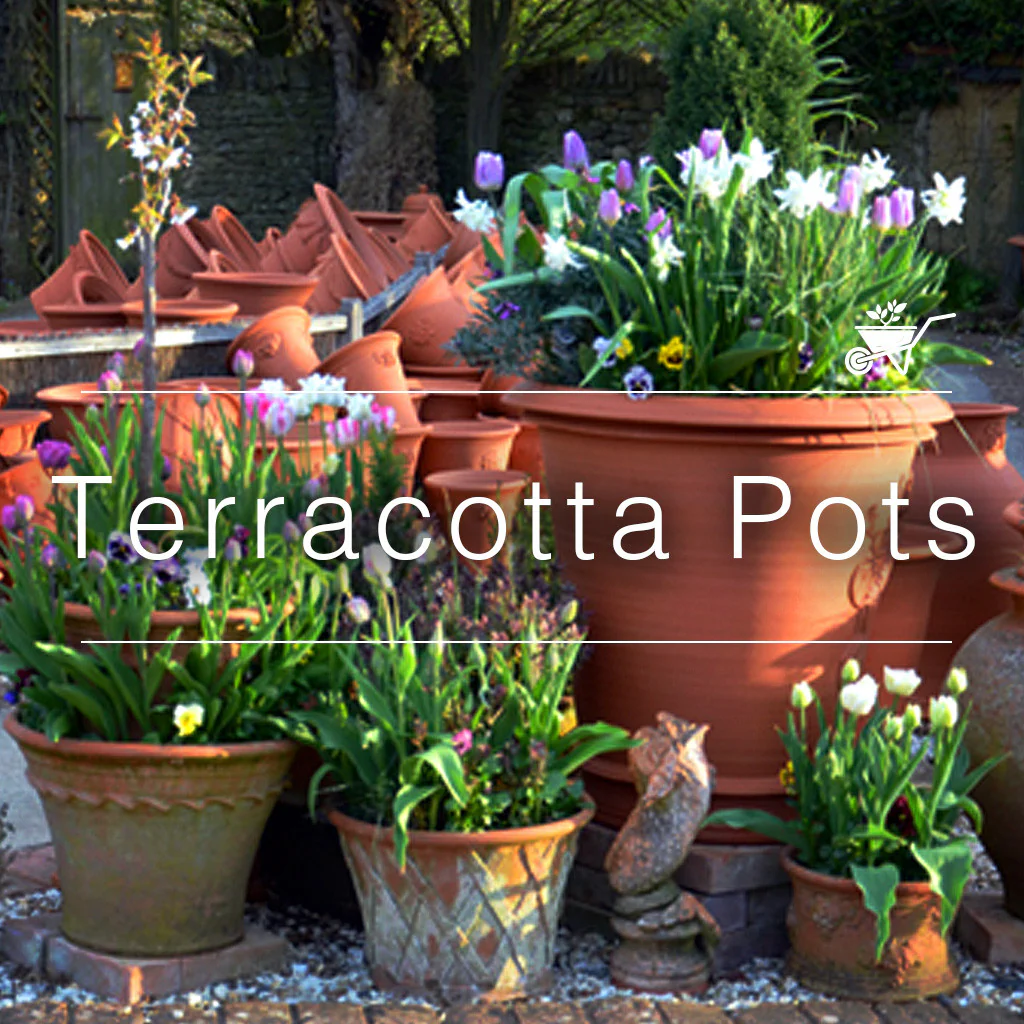
- Clay or Terracotta Pots: These are breathable, helping prevent root rot, and come in various sizes and shapes. They are ideal for herbs and flowering plants.
- Plastic Containers: Lightweight, affordable, and easy to move, especially useful for large or heavy plants.
- Wooden Boxes or Crates: Provide a rustic charm and excellent for vegetables or mixed plantings. Line them with plastic to prevent water damage.
- Repurposed Containers: Old teapots, boots, baskets, and buckets can become quirky planters. Using unusual containers adds personality and creativity to your garden.
- Self-Watering Pots: Great for beginners or busy gardeners. These reduce the risk of overwatering and keep plants hydrated longer.
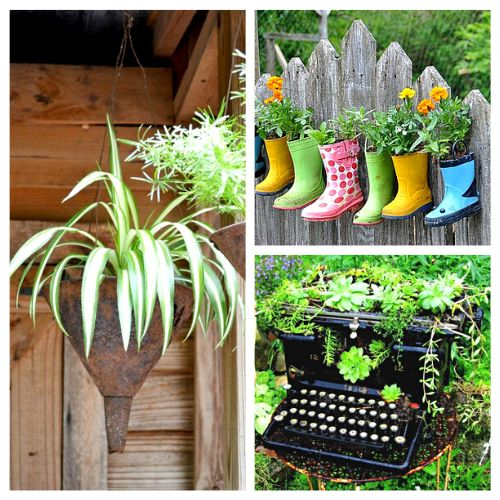
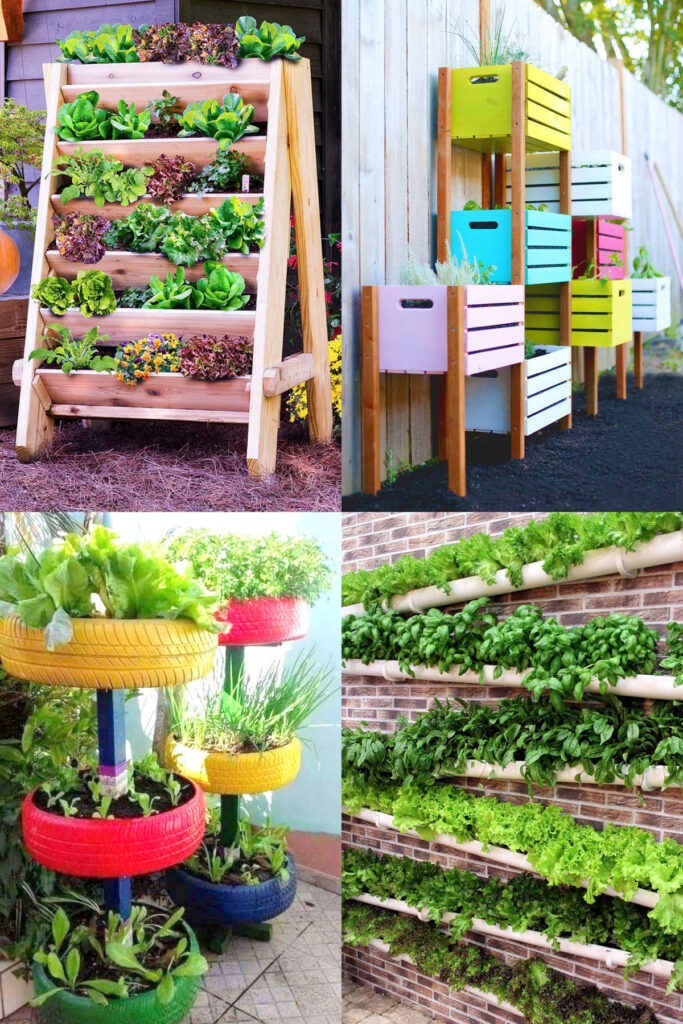
Pro Tip: Ensure every container has drainage holes to prevent waterlogging, which can kill roots.
2. Selecting Beginner-Friendly Plants
Choosing the right plants helps beginners succeed and keeps the experience enjoyable:
- Herbs: Basil, mint, parsley, rosemary, thyme, and chives grow well in small containers and provide fresh flavors for cooking.
- Vegetables: Cherry tomatoes, peppers, lettuce, spinach, radishes, and green onions are beginner-friendly and productive in containers.
- Flowers: Marigolds, petunias, pansies, geraniums, and nasturtiums add color and attract pollinators.
- Succulents and Cacti: Low-maintenance and perfect for indoor or sunny balcony spaces.
- Fruit Plants: Strawberries and dwarf citrus trees can also thrive in containers with proper care.
3. Creative Plant Arrangements
Container gardening allows for artistic expression and can transform your space visually:
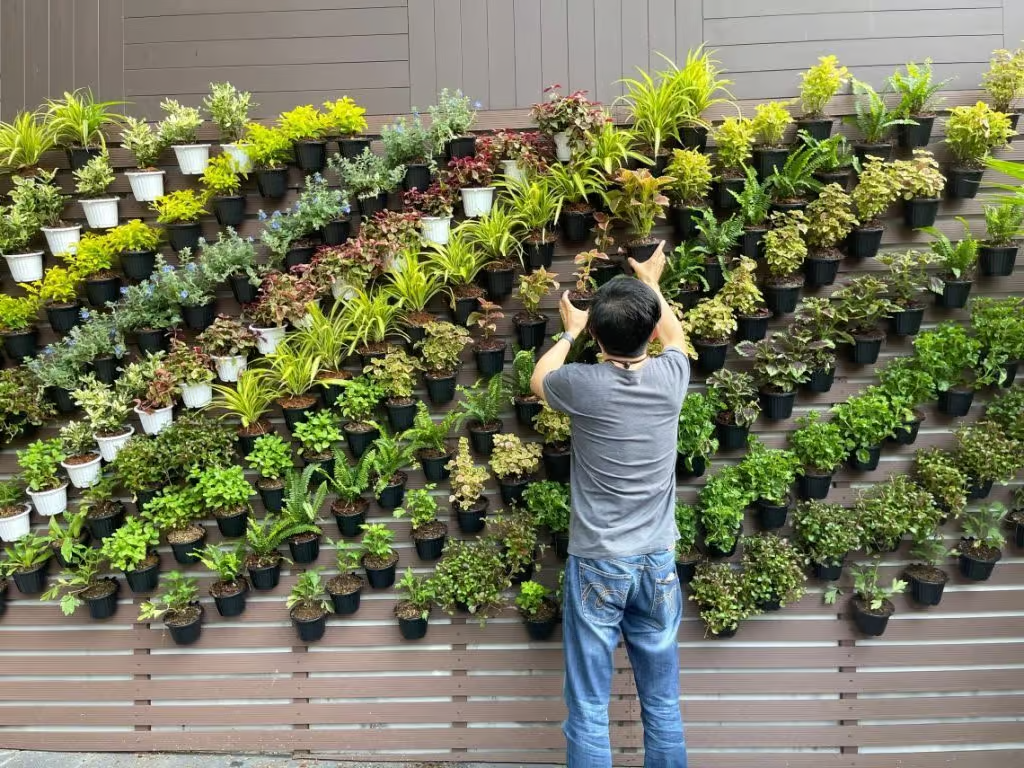
- Vertical Gardening: Stack pots, use hanging baskets, or wall-mounted planters to save floor space.
- Themed Gardens: Create a “pizza garden” with tomatoes, basil, and oregano, or a sensory garden with fragrant herbs and flowers.
- Layering Plants: Combine trailing plants like ivy with upright flowers for depth and visual appeal.
- Miniature or Fairy Gardens: Use small containers to create whimsical gardens with tiny plants, stones, and decorations.
- Color Schemes: Use pots and plants in complementary colors to make your balcony or patio more vibrant.
4. Soil and Fertilization
Since container plants can’t reach nutrients in the ground, soil and fertilizers are essential:
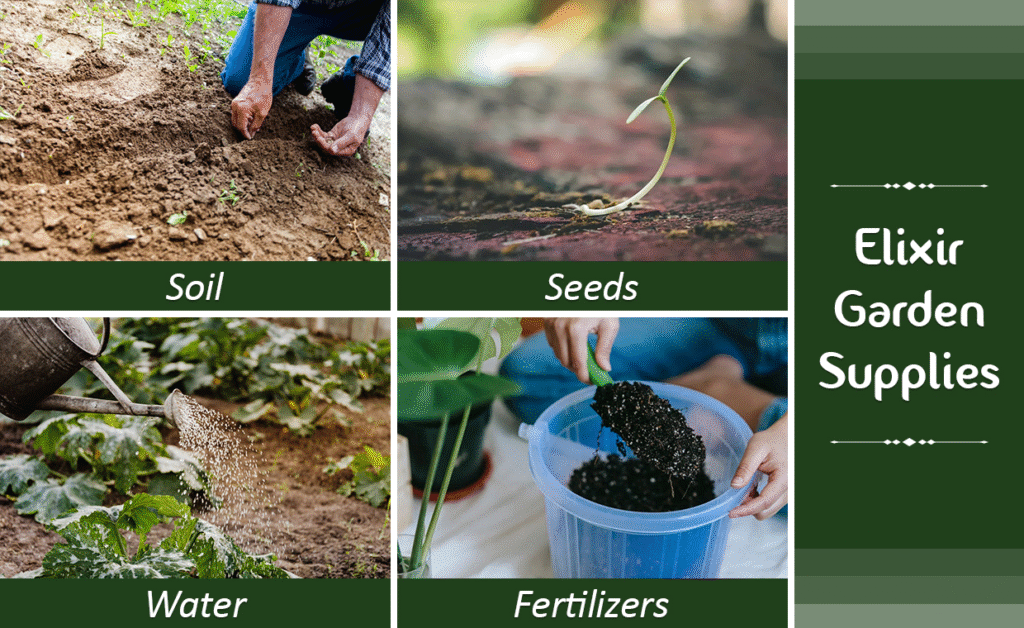
- Potting Mix: Use high-quality potting soil instead of garden soil for better drainage and aeration.
- Compost: Mix organic compost to improve nutrient content and soil structure.
- Fertilizers: Use slow-release fertilizers or liquid fertilizers regularly to support growth, especially for flowering and fruiting plants.
- Mulching: Add a thin layer of mulch to retain moisture and reduce weed growth.
5. Watering and Sunlight Needs
- Watering: Check soil moisture frequently. Water when the top inch of soil is dry. Avoid overwatering, as container plants are more prone to root rot.
- Sunlight: Most vegetables and herbs need 6–8 hours of direct sunlight. Flowers vary, so check individual plant requirements.
- Plant Grouping: Place plants with similar water and sunlight needs together to simplify care.
6. Decorative Container Gardening Ideas
Make your garden not just productive but beautiful:
- Paint pots in bright colors or patterns to add personality.
- Top soil with pebbles, sand, or shells for a decorative touch.
- Hang pots from ceilings, walls, or railings to create a vertical garden effect.
- Add garden ornaments, tiny figurines, or fairy lights for charm.
- Mix and match containers of different sizes, shapes, and textures for an eclectic look.
7. Common Mistakes Beginners Should Avoid
- Overwatering: Monitor soil moisture and ensure proper drainage.
- Crowding Plants: Give each plant enough space to grow and access sunlight.
- Ignoring Sunlight Requirements: Most vegetables and flowers need adequate sunlight to thrive.
- Neglecting Fertilization: Container plants rely on the gardener for nutrients. Regular feeding ensures healthy growth.
- Using the Wrong Container: Avoid containers without drainage holes or too small for the plant’s root system.
8. Benefits of Container Gardening
- Ideal for small spaces and urban living.
- Easy to move plants for sunlight, decoration, or seasonal changes.
- Less weeding and fewer pests compared to traditional garden beds.
- Provides fresh herbs, vegetables, and flowers right at your doorstep.
- Encourages creativity and mindfulness, reducing stress.
9. Advanced Creative Ideas for Beginners
- Hanging Herb Spiral: A spiral of stacked pots for easy access to multiple herbs.
- Tiered Vegetable Garden: Use multi-level containers to grow several vegetables in one spot.
- Indoor Window Garden: Small pots on windowsills with herbs, succulents, or flowers.
- Upcycled Planters: Turn old furniture, drawers, or tins into charming garden containers.
- Themed Decorative Containers: Seasonal or holiday-themed container arrangements can add a festive touch to your home or balcony.
Final Thoughts
Container gardening is beginner-friendly, flexible, and full of creative possibilities. Even small spaces can be transformed into green havens. By choosing the right containers, plants, and creative arrangements, you can grow fresh produce, beautiful flowers, and fragrant herbs while enjoying the therapeutic benefits of gardening. Start small, experiment, and watch your container garden flourish over time.
#ContainerGardening #BeginnerGarden #UrbanGarden #SmallSpaceGarden #HerbGarden #BalconyGarden #DIYGarden #PlantLovers #Anslation #Carrerbook