


Have you ever tasted a tomato straight off the vine or picked a handful of fresh spinach for dinner? The flavor, freshness, and satisfaction are unmatched. Growing your own food isn’t just about saving money — it’s about creating a sustainable, chemical-free lifestyle that connects you with nature.
Organic gardening empowers you to take control of what goes into your food, reduces your environmental footprint, and adds a calming, therapeutic hobby to your daily routine. Whether you have a backyard, terrace, or even just a balcony, anyone can start growing their own food — and this beginner’s guide will show you how.
Why Grow Your Own Organic Food?
1. It’s Healthier for You and Your Family
Homegrown fruits and vegetables are naturally rich in vitamins, minerals, and antioxidants. Unlike store-bought produce that travels long distances and may lose nutrients, your garden veggies go straight from soil to plate. Plus, by skipping chemical fertilizers and pesticides, you ensure your food is free from harmful residues.
2. It’s Kind to the Planet
Organic gardening focuses on soil health and biodiversity. It encourages pollinators, improves soil structure, and uses eco-friendly methods like composting. By growing your own food, you cut down on packaging waste, plastic, and the carbon emissions caused by transporting produce.
3. It Saves You Money
Once your garden is set up, the cost of maintaining it is minimal. Seeds, compost, and water are inexpensive — and the return is continuous. Herbs, greens, and vegetables that cost a lot in stores can be harvested at home for free.
4. It’s a Mood Booster
Gardening is known to reduce stress and improve focus. Spending time outdoors, getting your hands in the soil, and watching plants grow has proven mental health benefits. It’s a natural form of therapy and mindfulness.

Getting Started: Step-by-Step Organic Gardening for Beginners
1. Pick the Right Spot
Choose a space that receives at least 5–6 hours of sunlight daily. Sun-loving vegetables like tomatoes, peppers, and cucumbers thrive in bright areas. If you live in an apartment, use containers, railing planters, or vertical gardens to make the most of your space.
2. Plan Your Garden Layout
Start small. A 4×4 ft plot or 5–6 pots is enough to begin. Group plants with similar sunlight and water needs together. Herbs like mint and basil prefer partial sunlight, while vegetables like brinjal, tomato, and okra need full sun.
3. Choose Easy-to-Grow Crops
Begin with low-maintenance, fast-growing plants to build confidence:
- Leafy greens: Spinach, lettuce, fenugreek (methi)
- Fruits & vegetables: Tomatoes, chilies, okra, beans
- Herbs: Basil, mint, coriander, lemongrass
- Root veggies: Radish, carrot, beetroot
Pro tip: Mix quick growers (like lettuce) with long-term crops (like tomatoes) to get a steady harvest.
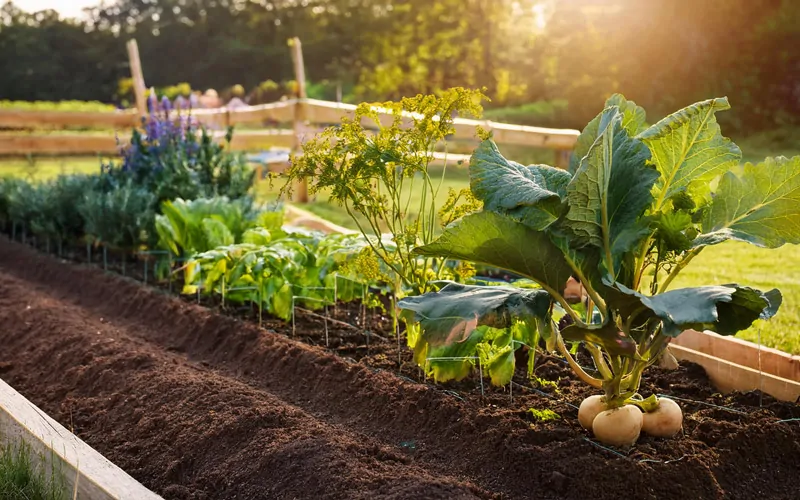
Soil and Compost — The Heart of Organic Gardening
Healthy soil equals healthy plants. Invest in organic soil mix or make your own blend with:
- 40% garden soil
- 30% organic compost
- 20% coco peat (for moisture retention)
- 10% sand (for drainage)
Make Your Own Compost:
You can easily turn kitchen scraps into nutrient-rich compost. Use a small bin or compost pot to layer:
- Greens: Vegetable peels, fruit scraps, tea leaves
- Browns: Dry leaves, newspaper, cardboard pieces
- Moisture: Sprinkle water occasionally to keep it damp
In 6–8 weeks, you’ll have natural fertilizer ready to nourish your garden.
Watering and Maintenance Tips
- Water early in the morning or late evening to minimize evaporation.
- Use a spray bottle or drip irrigation for even watering.
- Check soil moisture before watering — it should feel damp, not soggy.
- Mulch the soil with dry leaves or coconut husk to retain moisture and control weeds.
Natural Pest Control: The Organic Way
Avoid chemical sprays. Instead, try these natural pest solutions:
- Neem oil spray: Mix 2 teaspoons neem oil with 1 liter of water to keep aphids and whiteflies away.
- Garlic or chili spray: Crush garlic or chili, soak in water overnight, strain, and spray.
- Companion planting: Grow marigolds near vegetables — they repel pests naturally.
- Encourage beneficial insects: Ladybugs and bees help with pollination and pest control.

Caring for Your Garden Throughout the Seasons
Each season brings new planting opportunities:
- Summer: Tomatoes, cucumbers, okra, chilies
- Monsoon: Spinach, beans, gourds
- Winter: Carrots, radish, cabbage, cauliflower
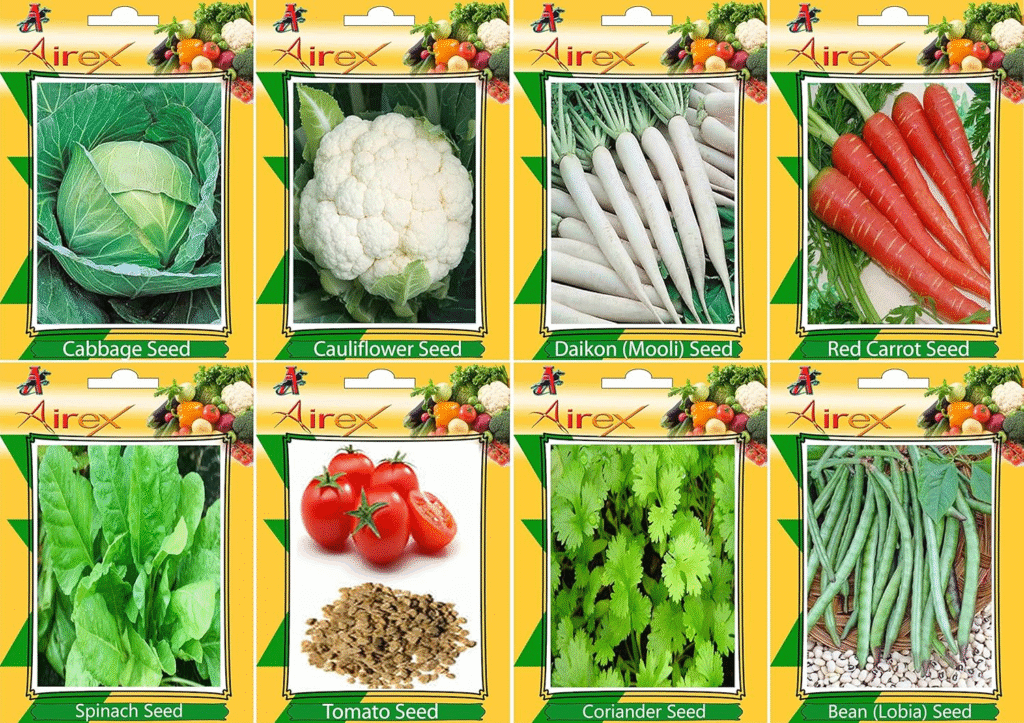
Rotate crops every season to maintain soil fertility and prevent pests from settling in.
Urban Gardening: Growing Food in Small Spaces
No yard? No problem!
You can grow plenty of food in pots or containers:
- Use deep pots (8–10 inches) for root veggies.
- Grow climbing plants like beans or gourds using trellises.
- Try hydroponics or vertical gardening systems if space is tight.
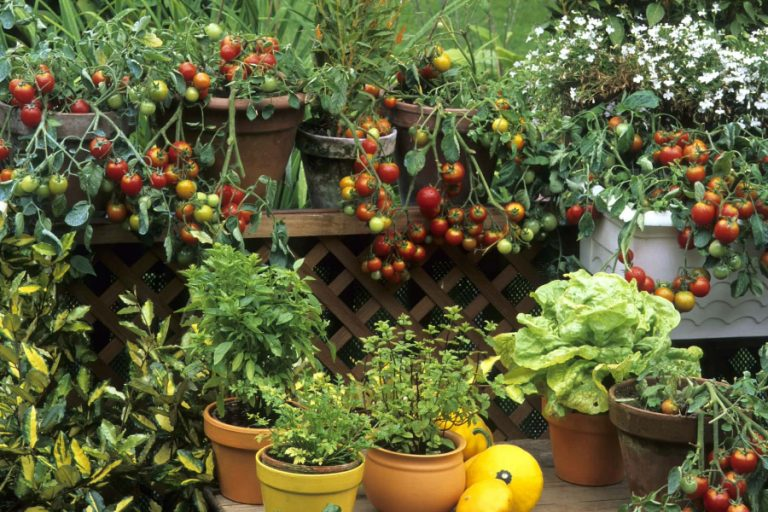
Even a windowsill can support herbs like basil, coriander, or parsley — perfect for urban homes.
Harvesting the Right Way
Harvest when the fruits or leaves look mature but not overripe. For leafy greens, trim only the outer leaves so the plant continues producing. Use clean tools or scissors to prevent damage and allow regrowth.
Sustainability and Long-Term Care
Once your garden is thriving, think long-term:
- Reuse greywater (from washing veggies) to water plants.
- Collect rainwater during monsoon.
- Keep adding compost every few weeks.
- Swap seeds with friends or neighbors to grow new varieties.
Organic gardening is not just about growing food — it’s about nurturing a sustainable lifestyle that benefits you, your family, and the environment.
Starting an organic garden may seem challenging, but once you see your first sprout, you’ll be hooked. It’s more than a hobby — it’s a step toward healthy living, eco-consciousness, and self-sufficiency. With patience and care, even a few pots of herbs or vegetables can bring a sense of joy, freshness, and pride to your everyday meals.
So grab some seeds, dig in the soil, and start growing your own little green paradise today.
#OrganicGardening #HomeGardening #GrowYourOwnFood #VegetableGarden ##SustainableGardening #EcoFriendlyLiving #GardeningForBeginners #Anslation #Carrerbook